

Sanitation
Why Proper Waste Management Matters for Every Ghanaian Community
Jospong Group
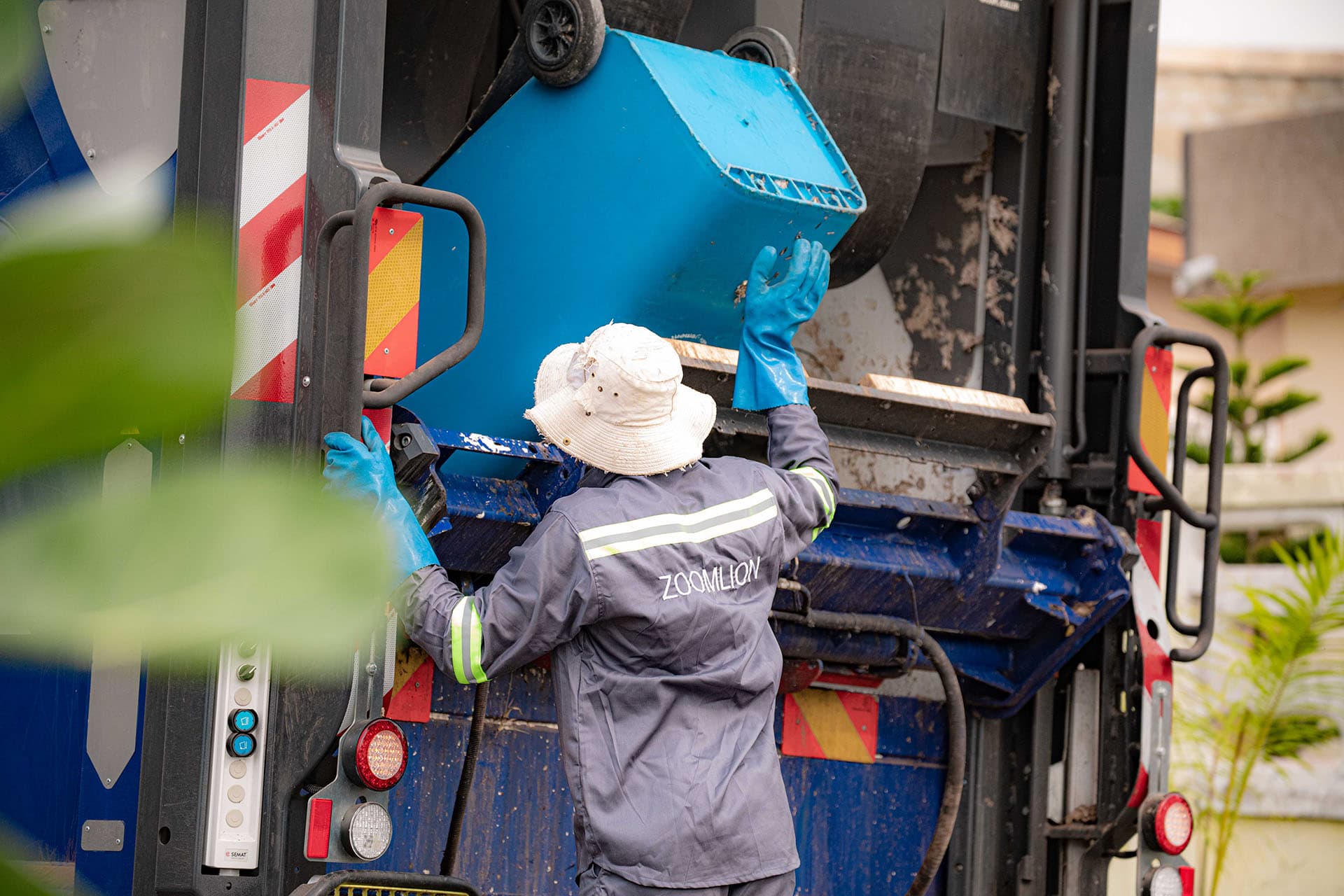
A clean community does more than create a pleasant environment. It supports public health, protects natural resources, improves livelihoods and contributes to the overall quality of life.
Every day, households, businesses, schools, markets and institutions generate waste. What happens to that waste after it is produced can have a significant impact on the communities where we live and work.
This is why proper waste management is everyone's responsibility.
What Is Proper Waste Management?
Waste management involves much more than putting rubbish into a bin.
It includes the collection, transportation, sorting, treatment, recycling, recovery and responsible disposal of waste.
An effective waste-management system ensures that waste moves through the right processes from the point where it is generated until it is treated, recovered or safely disposed of.
In Ghana, the importance of these systems continues to grow as towns and cities expand and consumption increases.
Why Waste Management Matters
Poorly managed waste can create several problems.
Waste left in streets, drains and open spaces can contribute to flooding, unpleasant odours and environmental pollution. It can also create conditions that encourage pests and other public-health concerns.
Plastic waste presents another challenge because it can remain in the environment for long periods.
Effective waste management helps address these challenges by ensuring that waste is collected and handled through appropriate systems.
Clean Communities Support Healthier Communities
The connection between sanitation and health is straightforward.
When waste is properly collected and treated, communities are better protected from some of the risks associated with uncontrolled waste accumulation.
Clean surroundings also encourage healthier habits.
This is why sanitation is not simply an environmental issue. It is closely connected to community wellbeing.
Waste Management Is Also an Economic Activity
Waste management creates more than environmental benefits.
It also supports employment and business activity.
People work in waste collection, transportation, equipment maintenance, recycling, composting, waste treatment and other parts of the sanitation value chain.
Jospong Group's environmental sanitation businesses have created employment opportunities across these different areas.
The development of modern waste-management systems can therefore contribute to both cleaner communities and economic activity.
What Can Households Do?
Individuals play an important role in the system.
Simple actions can make a difference.
Start by keeping waste in appropriate containers rather than dumping it in open spaces.
Where possible, separate recyclable materials from other household waste.
Avoid throwing rubbish into drains.
Reduce unnecessary consumption and reuse items where practical.
Most importantly, use recognised waste-collection services and follow local sanitation requirements.
Businesses Have a Role Too
Businesses generate significant quantities of waste, particularly in areas such as hospitality, retail, manufacturing and food services.
Companies can improve their environmental performance by reducing unnecessary materials, separating recyclable waste and ensuring that waste is handled through appropriate service providers.
Businesses can also look at opportunities to reduce waste at the source.
For example, reducing unnecessary packaging can lower the amount of waste generated before disposal becomes necessary.
From Waste to Resource
Modern waste management increasingly focuses on recovering value.
Organic waste can be processed into compost.
Certain materials can be recycled.
Other waste streams can be treated using specialised technologies.
This approach is part of the broader idea of a circular economy, where materials remain useful for as long as possible rather than being discarded after a single use.
Jospong Group has invested in waste treatment, recycling and composting infrastructure as part of this broader approach.
Everyone Has a Part to Play
Government, private-sector operators, local authorities, businesses and communities all have important roles.
Government and local authorities provide policy and oversight.
Waste-management companies provide services and infrastructure.
Businesses can reduce waste and manage what they generate responsibly.
Households can dispose of waste properly and support recycling.
Schools and community organisations can help build awareness among younger generations.
When these efforts work together, the result can be cleaner and healthier communities.
Building a Cleaner Ghana
Waste management is sometimes treated as an issue that belongs to someone else.
It does not.
Every person who produces waste is part of the waste-management system.
A cleaner Ghana therefore begins with everyday decisions: where we put our waste, what we buy, what we reuse, what we recycle and how we support responsible sanitation practices.
Small actions repeated across millions of households and businesses can produce significant results.
A clean community is not created by one organisation alone.
It is created by everyone.